







- EDITIONS:
 Spanish News Today
 Murcia Today
 Alicante Today
PROPERTY SEARCH

Your bank may be calling - but it could be a scam: Police warn over rising 'spoofing' fraud in Spain
Fraudsters are making calls appear genuine to trick victims into handing over banking details and security codes
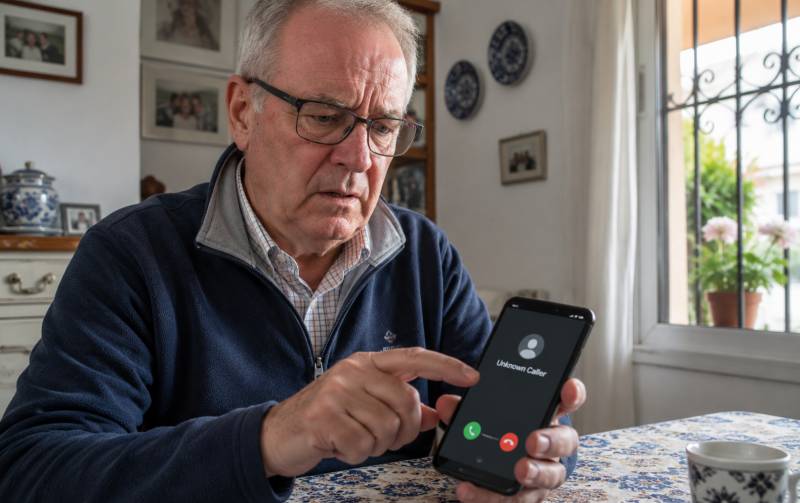 A worrying phone scam that makes calls look as though they are coming directly from your bank is continuing to spread in Spain, with Policía Nacional warning residents to stay alert to the growing threat of so-called “spoofing” fraud.
Spoofing is a type of telephone scam where criminals manipulate the caller ID shown on your phone so it appears to be a genuine number, often belonging to a trusted organisation such as your bank.
The scam is particularly convincing because the number that appears on screen can match the official contact details already saved in a person’s phone.
Police say criminals are manipulating phone numbers so calls appear to come from trusted organisations such as banks, utility companies or government departments.
The call itself usually sounds professional and urgent. Victims are told there has been suspicious activity on their account, an unauthorised payment or a possible security breach that needs immediate action.
“The supposed operator alerts you to a suspicious charge, unauthorised access or an incident requiring urgent attention,” police warned.
From there, the fraudsters try to pressure people into handing over sensitive information including passwords, security codes received by SMS and even card PINs.
Police and banking experts continue to stress that genuine banks never ask customers for passwords, one-time verification codes or full card details over the phone, by text message or by email.
That sense of urgency is what often catches people out. The scammers want victims to react quickly before they have time to stop and think or independently contact their bank.
Once criminals obtain the information, they can access online banking accounts within minutes. Money is then often transferred through intermediary accounts and moved rapidly, sometimes overseas, before victims even realise what has happened.
The warning comes as Spain continues its wider crackdown on telephone fraud and scam calls. Last year, Spain introduced measures aimed at blocking millions of fraudulent calls and messages as electronic scams continued to rise across the country.
Spoofing scams are also linked to a growing number of international premium-rate frauds and fake callback schemes. Police have repeatedly warned residents in Spain not to return calls from unfamiliar international prefixes linked to expensive scam operations.
For many older residents and expats, the realism of the calls is what makes them especially dangerous.
Policía Nacional says the safest response is simple: if there is any doubt at all, hang up immediately and contact your bank using the official number shown on its website, bank card or paperwork.
“A few seconds of checking can prevent enormous financial damage,” investigators warned.
Authorities are also reminding people never to share verification codes sent to their phone, even if the caller sounds convincing or claims the matter is urgent.
With more scams now using genuine-looking numbers and professional language, police say caution and patience remain the best defence.
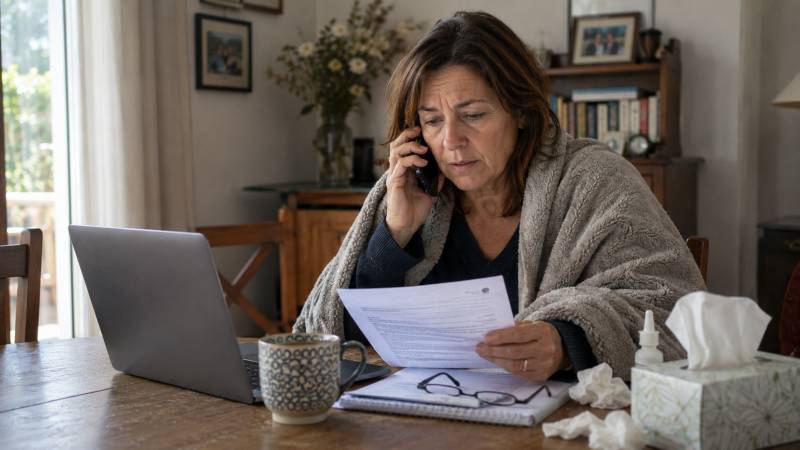
Image: digital representation
staff.inc.and
Sign up for the Spanish News Today Editors Roundup Weekly Bulletin and get an email with all the week’s news straight to your inbox
Special offer: Subscribe now for 25% off (36.95 euros for 48 Bulletins)
OR
you can sign up to our FREE weekly roundup!
Read some of our recent bulletins:
Discount Special Offer subscription:
36.95€ for 48 Editor’s Weekly News Roundup bulletins!
Please CLICK THE BUTTON to subscribe.
(List price 3 months 12 Bulletins)
Read more stories from around Spain: