










 Spanish News Today
 Murcia Today
 Alicante Today


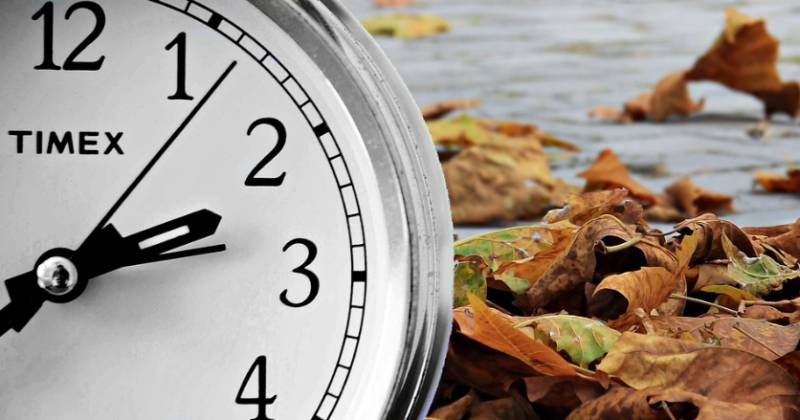 Mark the date in your diary. At 3am on Sunday 25 October, clocks across mainland Spain and the Balearic Islands go back to 2am, officially ending summer time and ushering in winter time for another year. In the Canary Islands, the change happens an hour earlier, with clocks moving from 2am back to 1am. However you look at it, that Sunday will technically last 25 hours, giving most of us a welcome extra hour in bed, provided your sleep schedule stays the same.
The change is set out in the Official State Gazette (BOE), which confirms 25 October as the official end date for this year’s summer time period, happening “at three in the morning (two in the morning in the Canary Islands).” It’s part of a shared European Union calendar, with the goal of making better use of daylight hours, particularly as the days shorten heading into winter.
Most of us won’t need to lift a finger. Phones, computers, tablets, smartwatches and smart TVs connected to the internet update themselves automatically, as long as the date, time and time zone settings are correct. It’s worth double checking anything that isn’t online though, think wall clocks, alarm clocks, the oven, or other household appliances, since these won’t shift on their own.
The clock change doesn’t alter how much daylight a day actually gets in astronomical terms. What shifts is simply how official time lines up with the sun. In practice, that means mornings will brighten up a little earlier, but evenings will draw in sooner too, something that becomes increasingly noticeable as autumn rolls on towards winter.
Whether the twice yearly ritual is worth it has been debated in European circles for years, largely around whether any energy savings genuinely outweigh the disruption to sleep and daily routines. The European Commission did once propose scrapping the system entirely, but that proposal has never been adopted, so for now, Spain continues changing its clocks twice a year as usual.
If you’re the planning type, the European Commission has already published the full schedule running through to 2031, so there’s no mystery about what comes next.
Until then, this October’s change marks the real start of darker evenings, so it’s worth getting used to the new rhythm sooner rather than later. And if your alarm clock does catch you out that Sunday morning, at least you’ll know exactly why.
Image:NoName_13/Pixabay
staff.inc.and
Sign up for the Spanish News Today Editors Roundup Weekly Bulletin and get an email with all the week’s news straight to your inbox
Special offer: Subscribe now for 25% off (36.95 euros for 48 Bulletins)
Read some of our recent bulletins:
Discount Special Offer subscription:
36.95€ for 48 Editor’s Weekly News Roundup bulletins!
Please CLICK THE BUTTON to subscribe.
(List price 3 months 12 Bulletins)